IPTV vs Cable TV in USA Which Is Better in 2026 Guide
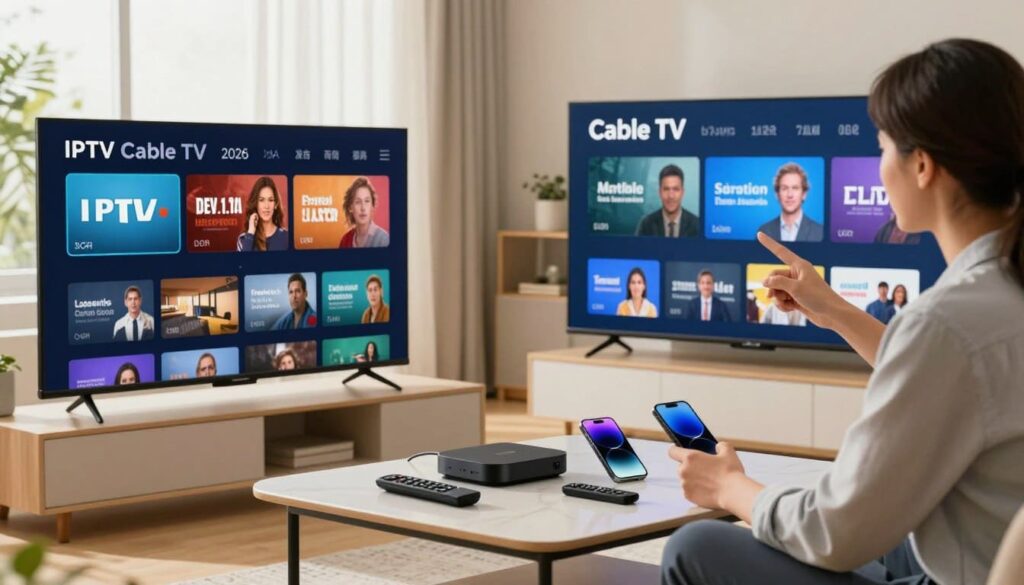
The landscape of home entertainment is undergoing a massive transformation. As we approach the middle of the decade, many households are reconsidering their traditional broadcast subscriptions. Understanding the nuances of IPTV vs Cable TV in USA: Which Is Better in 2026? has become essential for viewers seeking both value and variety.
Modern audiences now prioritize flexibility and on-demand access over rigid scheduling. This shift reflects a broader movement toward digital-first solutions that offer high-definition content without the constraints of legacy hardware. Choosing the right path requires a clear look at how these technologies perform in real-world scenarios.
Evaluating iptv vs cable tv in usa helps you determine which service aligns with your lifestyle. Whether you value cost-efficiency or a vast library of international channels, the right choice can significantly enhance your viewing experience. This guide provides the insights needed to navigate these options with confidence.
Key Takeaways
- Digital streaming offers greater flexibility than traditional broadcast methods.
- Cost-effectiveness remains a primary driver for switching to modern services.
- High-definition and 4K content are now standard expectations for home entertainment.
- Instant activation and easy setup simplify the transition for new users.
- Reliable customer support is crucial for maintaining a seamless viewing experience.
The Evolution of Television Consumption in the United States
Gone are the days when American households were tethered to rigid, linear broadcast schedules. Over the last decade, the way we consume media has undergone a radical transformation, moving away from traditional cable toward a more fluid, digital-first experience.
This shift represents more than just a change in hardware; it reflects a fundamental change in how viewers interact with content. The transition from analog signals to a robust, high-speed digital infrastructure has empowered users to dictate their own viewing terms. Today, the expectation for instant, on-demand access is the new standard for the modern American household.
Industry leaders have been forced to adapt to these changing demands by prioritizing flexibility and variety. Consumers no longer want to wait for a specific time slot to watch their favorite programs. Instead, they demand personalized streaming environments that fit into their busy, modern lifestyles.
The following table highlights the key differences between the legacy model and the current digital landscape:
| Feature | Traditional Cable | Modern IPTV/Streaming |
|---|---|---|
| Content Delivery | Linear/Scheduled | On-Demand/Personalized |
| Infrastructure | Analog/Coaxial | High-Speed Broadband |
| Flexibility | Fixed Contracts | Subscription Freedom |
| User Control | Limited | High Interaction |
This evolution continues to reshape the market, pushing providers to innovate or risk obsolescence. As we look toward the future, the focus remains on delivering high-quality content that meets the dynamic needs of a tech-savvy audience.
IPTV vs Cable TV in USA: Which Is Better in 2026?
The landscape of home entertainment has shifted dramatically, forcing viewers to weigh the benefits of iptv vs cable tv in usa. While traditional cable has served households for decades, the rise of high-speed internet has paved the way for more flexible alternatives. Choosing the right service today requires a careful look at how these two technologies deliver content to your living room.
Traditional cable relies on dedicated coaxial or fiber lines to broadcast signals directly to your set-top box. In contrast, Internet Protocol Television (IPTV) transmits media through your existing broadband connection. This fundamental difference in delivery is why many users now prefer the versatility and on-demand nature of modern streaming services.
When performing an iptv comparison, it becomes clear that cost and control are the primary drivers for most consumers. Cable providers often bundle services into rigid, long-term contracts that include hidden equipment fees. Conversely, many IPTV platforms offer month-to-month flexibility, allowing you to pay only for the content you actually watch.
| Feature | Traditional Cable | IPTV Services |
|---|---|---|
| Delivery Method | Coaxial/Satellite | Broadband Internet |
| Contract Terms | Long-term/Rigid | Flexible/No-contract |
| Content Access | Scheduled Broadcasts | On-Demand/Live |
| Pricing Structure | High/Bundled | Competitive/Modular |
Ultimately, the better choice depends on your specific viewing habits and technical setup. If you prioritize reliability and simplicity, legacy cable might still hold appeal. However, for those seeking innovation and cost-effectiveness, switching to an IPTV solution is likely the superior path in 2026.
Understanding the Core Technology Behind IPTV Services
Behind every high-definition stream lies a complex network of internet protocol technology. Unlike legacy systems that rely on physical coaxial cables, iptv technology advances have revolutionized how we consume media. This digital shift allows for a more personalized and efficient viewing experience across the United States.
How Internet Protocol Television Differs from Traditional Cable
Traditional cable television operates by broadcasting a continuous stream of signals to all subscribers simultaneously. This method is often inefficient because it consumes bandwidth regardless of whether a viewer is watching a specific channel. In contrast, IPTV uses packet-switched networks to deliver content only when requested by the user.
When you select a program, the server sends data packets directly to your device. This targeted delivery ensures that your connection remains stable and high-quality. By leveraging these iptv technology advances, providers can offer a vast library of on-demand content that cable systems simply cannot match.
The Role of High-Speed Broadband in Modern Streaming
High-speed internet serves as the essential backbone for modern streaming services. Without a robust broadband connection, the data packets required for 4K video cannot reach your screen without buffering or quality loss. Reliability is the most critical factor for a seamless experience in today’s digital landscape.
Modern infrastructure, such as fiber optics, has made it easier to maintain high bitrates for consistent playback. As iptv technology advances, the reliance on stable internet connections becomes even more pronounced for households seeking a premium entertainment setup.
| Feature | Traditional Cable | IPTV Services |
|---|---|---|
| Delivery Method | Coaxial Broadcast | Internet Protocol |
| Content Access | Scheduled Linear | On-Demand & Live |
| Infrastructure | Legacy Copper | High-Speed Broadband |
| Flexibility | Fixed Hardware | Multi-Device Support |
Advantages of Choosing IPTV Subscriptions in 2026
Choosing an IPTV subscription in the USA offers a modern way to consume media that fits today’s fast-paced lifestyle. Many viewers are finding that the iptv benefits far outweigh the limitations of older, rigid broadcast systems. By moving to a digital-first approach, you gain unprecedented control over your viewing schedule and visual quality.
Access to 4K Quality and On-Demand Content
One of the primary reasons for this shift is the ability to enjoy high-quality streaming in 4K and Full HD resolutions. Unlike legacy systems that often compress signals, modern digital platforms deliver crisp, clear images directly to your screen. This ensures that your favorite movies and live sports look better than ever before.
Beyond visual fidelity, these services provide a massive library of content that is always available at your fingertips. You are no longer tied to a broadcast schedule, allowing you to watch what you want, when you want. Key features include:
- Instant access to thousands of on-demand movies and series.
- Wide selection of international and niche channels.
- Seamless integration with smart devices and mobile apps.
- Continuous updates to the content library without extra hardware.
Cost-Effectiveness Compared to Traditional Cable Packages
When evaluating your monthly budget, it becomes clear that digital streaming provides superior value. Many households are tired of the rising costs associated with traditional cable tv packages, which often include hidden fees and expensive equipment rentals. By switching to a more flexible model, you can significantly reduce your monthly expenses while actually expanding your entertainment options.
These services typically operate on a subscription basis without the need for long-term contracts or complex installation appointments. This financial flexibility allows you to pay only for the services you actually use. Ultimately, moving away from restrictive cable tv packages is a smart move for any American household looking to optimize their entertainment budget in 2026.
Traditional Cable TV: Is It Still Relevant for American Households?
While streaming dominates the conversation, traditional cable TV remains a fixture in millions of homes across the United States. Many viewers appreciate the familiarity of a dedicated set-top box and a consistent channel guide. Despite the digital shift, these legacy systems continue to serve a significant portion of the population.
Reliability and Infrastructure of Legacy Cable Systems
The primary cable tv advantages often stem from the physical infrastructure already installed in most neighborhoods. Because these services rely on dedicated coaxial cables, they are generally immune to the bandwidth fluctuations that can plague internet-based streaming during peak hours.
This physical connection provides a level of signal stability that many users find comforting. You can expect a consistent picture quality without the buffering issues sometimes associated with high-traffic network periods. Key benefits of this infrastructure include:
- Dedicated bandwidth that does not compete with your home Wi-Fi usage.
- Minimal latency for live sports and news broadcasts.
- Established service networks that cover both urban and rural regions.
Common Limitations of Cable TV Pricing and Contracts
Despite the reliability of the hardware, many consumers express frustration with the financial side of the industry. Cable tv pricing is frequently criticized for its lack of transparency and the inclusion of various hidden surcharges. These extra costs often inflate the monthly bill far beyond the advertised rate.
Furthermore, the structure of cable tv packages often forces users into restrictive, long-term service contracts. These agreements can make it difficult to switch providers or adjust your service level without facing significant early termination fees. Consider these common drawbacks:
- Complex billing statements with unexpected equipment rental fees.
- Limited flexibility to customize channel lineups without paying for unwanted bundles.
- Lengthy contract commitments that lock customers into outdated cable tv packages.
Ultimately, while the infrastructure remains robust, the rigid nature of cable tv pricing continues to drive many Americans toward more flexible, modern alternatives. Weighing the stability of legacy systems against the freedom of newer platforms is essential for any household looking to optimize their entertainment budget.
Top IPTV Providers for US Viewers
Navigating the vast landscape of digital television requires identifying the most reliable service providers for your home. When evaluating potential subscriptions, understanding the specific iptv features offered by each platform is crucial for a seamless experience.
Kemo-TV and Stream-TV Service Features
Kemo-TV (https://tenet-streams.com) has gained popularity for its extensive channel library and consistent uptime. Users often highlight the platform’s intuitive interface, which makes navigating through live sports and international news straightforward.
Similarly, Stream-TV (https://stream-tv.us) focuses on delivering high-definition content with minimal buffering. Their iptv features include robust EPG support and multi-device compatibility, ensuring that viewers can enjoy their favorite shows across various hardware configurations.
IPTV Diamond and NorwayTV Platform Analysis
IPTV Diamond (https://iptvdiamond.cc) stands out by offering a premium selection of channels tailored for diverse audiences. The service is frequently praised for its technical stability and rapid server response times, which are essential for live event streaming.
NorwayTV (https://norwaytv.net/) provides a unique catalog that appeals to users seeking specialized content. By integrating advanced iptv features, this platform ensures that high-quality streams remain accessible even during peak usage hours. The following table provides a quick comparison of these providers to assist in your decision-making process.
| Provider | Primary Strength | Content Focus | Reliability |
|---|---|---|---|
| Kemo-TV | Channel Variety | International | High |
| Stream-TV | HD Streaming | General Entertainment | Excellent |
| IPTV Diamond | Technical Stability | Premium Sports | Superior |
| NorwayTV | Specialized Media | Niche Programming | Good |
Key Features of IPTV Diamond
When evaluating top-tier streaming options, the specific iptv features of IPTV Diamond set a high standard for user experience. This platform is designed to act as a complete entertainment solution by prioritizing convenience and technical accessibility for every subscriber.
Instant Activation and Easy Setup Processes
One of the primary advantages of choosing this service is the speed at which you can begin watching your favorite programs. With instant activation, there is no need to wait for hardware installations or lengthy technician visits.
The easy setup process is tailored for users who want to avoid technical friction. You can typically get your service running in just a few simple steps, ensuring that your transition to high-quality streaming is as smooth as possible.
- Instant activation upon subscription confirmation.
- User-friendly interface compatible with most modern devices.
- Minimal configuration required to start streaming.
Reliable Customer Support via WhatsApp at +15044754728
Beyond the initial setup, the platform maintains a high level of service through dedicated communication channels. If you encounter any issues, you can access reliable customer support directly through WhatsApp.
By reaching out to +15044754728, you gain a direct line to assistance for troubleshooting or general inquiries. This commitment to responsive support ensures that your viewing experience remains uninterrupted and enjoyable, highlighting why these iptv features are essential for modern American households.
Technical Requirements for Optimal Streaming Performance
Achieving a seamless viewing experience requires more than just a subscription; it demands the right technical foundation. When you invest in modern digital entertainment, your home environment plays a critical role in how content is delivered to your screen. Optimizing your setup ensures that you can enjoy high-definition broadcasts without the frustration of constant interruptions.
Hardware Compatibility with Smart TVs and Streaming Devices
Most modern Smart TVs come equipped with built-in applications that support high-quality streaming services. However, for the best results, many users prefer dedicated hardware like the Amazon Fire TV Stick, Roku, or Apple TV. These devices often feature more powerful processors that handle high-bitrate streams more efficiently than standard television software.
If you are using an older television, an external streaming box can breathe new life into your display. It is important to ensure that your device supports the resolution you intend to watch, such as 4K Ultra HD. Regular firmware updates on these devices are essential to maintain compatibility with the latest streaming protocols and security standards.
Ensuring Smooth Playback with Stable Internet Connections
A high-speed internet connection is the backbone of any reliable streaming setup. While many users rely on Wi-Fi, a wired Ethernet connection is significantly more stable for 4K content. This reduces latency and prevents the signal drops that often cause buffering during peak viewing hours.
If you must use a wireless connection, ensure your router is placed in a central location away from physical obstructions. Upgrading to a modern Wi-Fi 6 router can also provide the bandwidth necessary for multiple devices to stream simultaneously. The following table outlines the recommended technical specifications for a premium viewing experience.
| Feature | Minimum Requirement | Recommended for 4K |
|---|---|---|
| Download Speed | 15 Mbps | 50 Mbps or higher |
| Connection Type | Wi-Fi (5GHz) | Wired Ethernet |
| Hardware | Smart TV App | Dedicated Streaming Box |
| Latency (Ping) | Under 50ms | Under 20ms |
Comparing Pricing Models and Subscription Flexibility
When evaluating your home entertainment options, the financial differences between modern streaming and legacy systems become immediately apparent. Understanding these variations is essential for any household looking to optimize their monthly budget while maintaining access to premium content.
An effective iptv comparison reveals that the primary benefit for modern users is the ability to choose services that align with their specific viewing habits. Unlike older models, these digital platforms prioritize user freedom and financial transparency.
Contract-Free IPTV vs Long-Term Cable Commitments
Most digital streaming services operate on a month-to-month basis, allowing users to cancel or pause their service without penalty. This flexibility is a significant departure from the rigid, multi-year contracts often required by traditional providers.
In contrast, legacy providers frequently lock customers into long-term agreements to secure promotional rates. Once these introductory periods expire, subscribers often face steep price hikes that are difficult to avoid without signing another lengthy contract.
Hidden Fees and Equipment Costs in Cable TV
While the advertised cable tv pricing might seem competitive at first glance, the final monthly bill often tells a different story. Many consumers are surprised by the addition of broadcast surcharges, regional sports fees, and mandatory equipment rental charges.
These extra costs can inflate a standard package by thirty percent or more. By contrast, digital services typically include all necessary features within a single, transparent monthly fee, which remains one of the most notable cable tv advantages when compared to modern alternatives.
| Feature | Traditional Cable | Modern IPTV |
|---|---|---|
| Contract Length | 12-24 Months | No Contract |
| Equipment Fees | Monthly Rental | None (App-based) |
| Pricing Transparency | Hidden Surcharges | Flat Monthly Rate |
Ultimately, the decision rests on whether you prefer the stability of a legacy provider or the agility of a modern streaming platform. By carefully reviewing your cable tv pricing, you can ensure that your entertainment budget is spent efficiently.
Security and Legal Considerations for IPTV Users
Security and legal awareness are the cornerstones of a responsible approach to modern television consumption. When you transition to digital streaming, prioritizing your digital footprint ensures that your viewing habits remain private and secure. Understanding the iptv benefits goes beyond just cost savings; it involves verifying that your chosen platform operates within established legal frameworks.
Best Practices for Safe Streaming in the USA
To maintain a secure environment, always utilize a reputable Virtual Private Network (VPN) when accessing streaming content. A VPN masks your IP address, providing an extra layer of anonymity and protecting your personal data from potential tracking. Furthermore, ensure that you only download applications from official app stores or verified developer websites to avoid malicious software.
It is also wise to avoid clicking on suspicious pop-up advertisements or links that promise free premium content. These often lead to phishing sites designed to compromise your device security. By sticking to official streaming protocols, you can enjoy the full range of iptv benefits without exposing your home network to unnecessary risks.
Evaluating Service Provider Credibility and Support
Before committing to a subscription, take the time to research the provider’s reputation in the marketplace. Look for transparent communication channels, such as dedicated support teams available via platforms like WhatsApp or email. A credible provider will clearly outline their service terms and provide consistent technical assistance to their users.
Check for independent user reviews and community feedback to gauge the reliability of the service. Providers that prioritize customer satisfaction and maintain active, responsive support lines are generally more trustworthy. Evaluating these factors helps you maximize the iptv benefits while ensuring that your entertainment experience remains both stable and legally sound.
Future Trends in Television Distribution
Television distribution is entering a new era defined by rapid innovation and user-centric design. As the industry moves away from rigid broadcast schedules, iptv technology advances are creating a more flexible environment for viewers. This shift ensures that content reaches audiences exactly when and how they want it.
The Shift Toward Personalized Streaming Experiences
Modern platforms are increasingly relying on sophisticated data analytics to curate content libraries. By analyzing viewing habits, providers can offer tailored recommendations that keep users engaged for longer periods. This level of personalization transforms the television from a passive screen into an interactive hub.
Future developments will likely integrate artificial intelligence to predict what a viewer wants to watch before they even search for it. These iptv technology advances allow for a seamless transition between devices, ensuring that your favorite shows follow you from the living room to your mobile phone. The focus is clearly on creating a unique experience for every individual household.
How 5G and Fiber Optics Will Shape Future Viewing
The backbone of high-quality streaming lies in the infrastructure supporting it. Widespread deployment of 5G and fiber optic networks is essential for reducing latency and eliminating buffering issues. These technologies provide the massive bandwidth required for 4K and even 8K streaming, making high-definition content more accessible than ever.
As these networks expand across the United States, the gap between traditional cable and digital streaming will continue to widen. Reliability will become the standard, allowing for real-time interactive features that were previously impossible. The following table highlights the key differences between legacy systems and future-ready distribution methods.
| Feature | Legacy Cable | Future IPTV |
|---|---|---|
| Delivery Method | Coaxial Cable | Fiber/5G Broadband |
| Content Control | Fixed Schedules | On-Demand/Personalized |
| Latency | Moderate | Ultra-Low |
| Scalability | Limited | Highly Flexible |
Ultimately, the combination of iptv technology advances and robust network infrastructure will redefine the American viewing experience. Consumers can expect faster speeds, better picture quality, and a truly personalized interface in the coming years.
Conclusion
Selecting the ideal television service in 2026 requires a clear look at your personal viewing habits. You must weigh the benefits of modern digital flexibility against the comfort of traditional broadcast systems.
Modern households now prioritize high-definition content and on-demand access. Services like Kemo-TV and IPTV Diamond represent this shift toward user-controlled media consumption. These platforms offer a level of freedom that legacy cable providers often struggle to match.
Legacy cable remains a viable option for viewers who value established infrastructure and bundled service packages. You should evaluate your budget and technical comfort level before committing to any long-term contract. The landscape of home entertainment continues to evolve rapidly with 5G and fiber optic advancements.
Take a moment to assess your current internet speed and hardware compatibility. A stable connection serves as the foundation for a superior streaming experience. Your decision today shapes how you interact with global media for years to come.
Engage with the technology that best aligns with your lifestyle needs. Share your experiences with friends or family members who are also navigating this transition. Staying informed ensures you get the most value from your monthly entertainment investment.
FAQ
When comparing IPTV vs cable TV in USA, which service offers better value in 2026?
For most modern households, an IPTV comparison reveals that digital streaming offers superior value. While cable tv packages often come with high monthly costs and hidden equipment fees, IPTV benefits include lower iptv pricing, no long-term contracts, and a more extensive selection of international and 4K content. However, cable tv advantages still include high reliability in areas where high-speed broadband may be inconsistent.
What are the primary iptv features that distinguish it from legacy systems?
The most notable iptv features include the ability to enjoy high-quality streaming in 4K, massive on-demand libraries, and multiscreen viewing. Unlike traditional broadcast methods, iptv technology advances allow for a more personalized experience where viewers can pause, rewind, and record live TV directly to the cloud without expensive proprietary hardware.
How do iptv technology advances impact the viewing experience?
Significant iptv technology advances have shifted content delivery from coaxial cables to high-speed data packets via Internet Protocol. This transition, supported by 5G and fiber optics, ensures that a modern IPTV Subscription USA provides lower latency and higher resolution than traditional analog or early digital cable systems.
Are there any specific cable tv advantages remaining in 2026?
Yes, cable tv advantages primarily revolve around infrastructure. Because cable uses a dedicated physical line, the signal remains stable regardless of local internet congestion. For users who prefer a “set-it-and-forget-it” approach and do not mind higher cable tv pricing, legacy systems provide a familiar, highly reliable broadcast environment.
Which providers offer the best IPTV Subscription USA experience?
Leading providers such as Kemo-TV (https://tenet-streams.com) and Stream-TV (https://stream-tv.us) are popular for their stability and channel variety. Additionally, IPTV Diamond (https://iptvdiamond.cc) and NorwayTV (https://norwaytv.net/) are highly rated for their specialized content and platform performance, catering to diverse American viewing habits.
What makes IPTV Diamond a standout choice for new users?
A: IPTV Diamond is recognized as a complete entertainment solution because it offers ✔ Instant activation and an ✔ Easy setup process. Furthermore, they provide ✔ Reliable customer support via WhatsApp at +15044754728, ensuring that users can resolve technical issues quickly and maintain smooth, high-quality playback.
How does cable tv pricing compare to modern streaming subscriptions?
Generally, cable tv pricing is significantly higher due to regional monopolies, broadcast surcharges, and mandatory hardware rentals. In contrast, IPTV benefits include transparent monthly or annual fees without the burden of long-term service commitments, making it a much more cost-effective solution for the average American budget.
What are the technical requirements to ensure smooth, high-quality streaming?
To maximize your IPTV Subscription USA, you need a stable internet connection (ideally 25 Mbps or higher for 4K) and a Compatible with Smart TV or a dedicated streaming device like an Amazon Firestick or NVIDIA Shield. Ensuring your hardware is up to date is essential for smooth playback and accessing the latest iptv features.
Is it safe to switch from traditional cable tv packages to IPTV?
Switching is safe as long as you choose reputable providers like Kemo-TV or IPTV Diamond. It is important to evaluate service provider credibility and use secure, high-speed connections. By moving away from restrictive cable tv packages, users gain more control over their data and their entertainment spending.